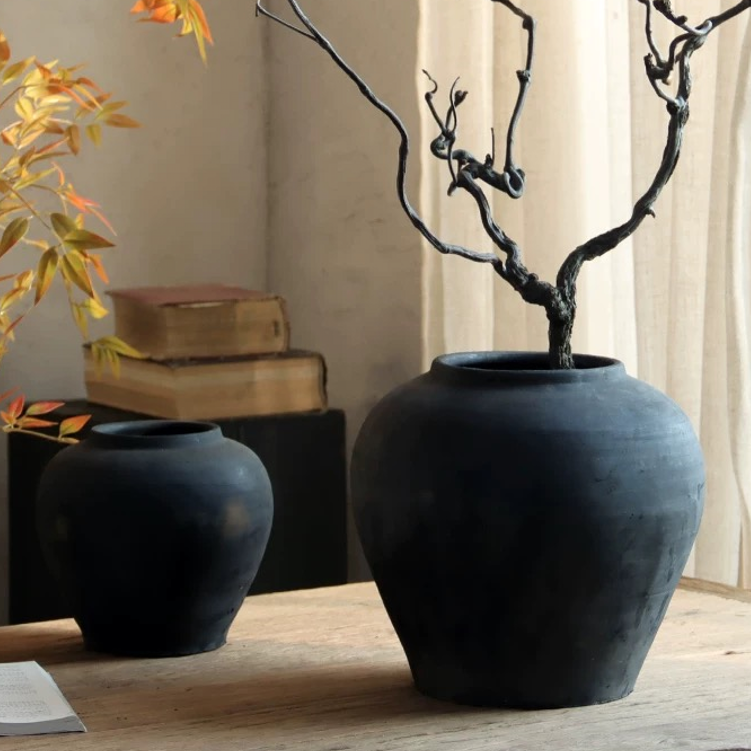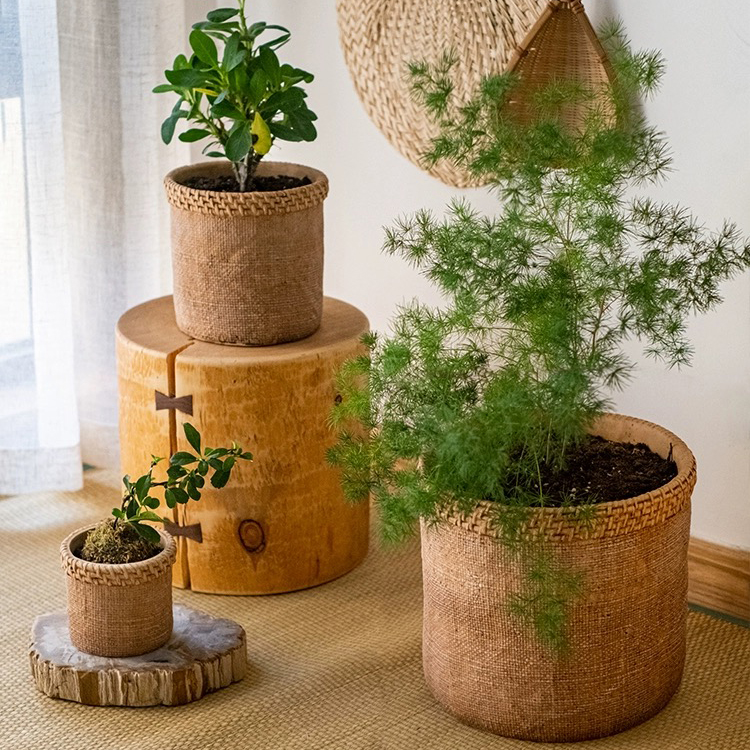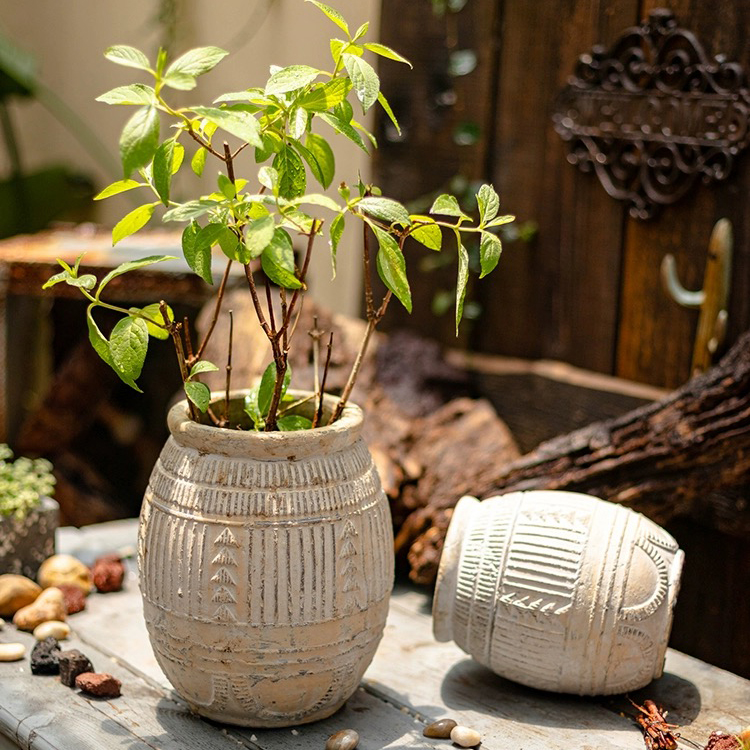

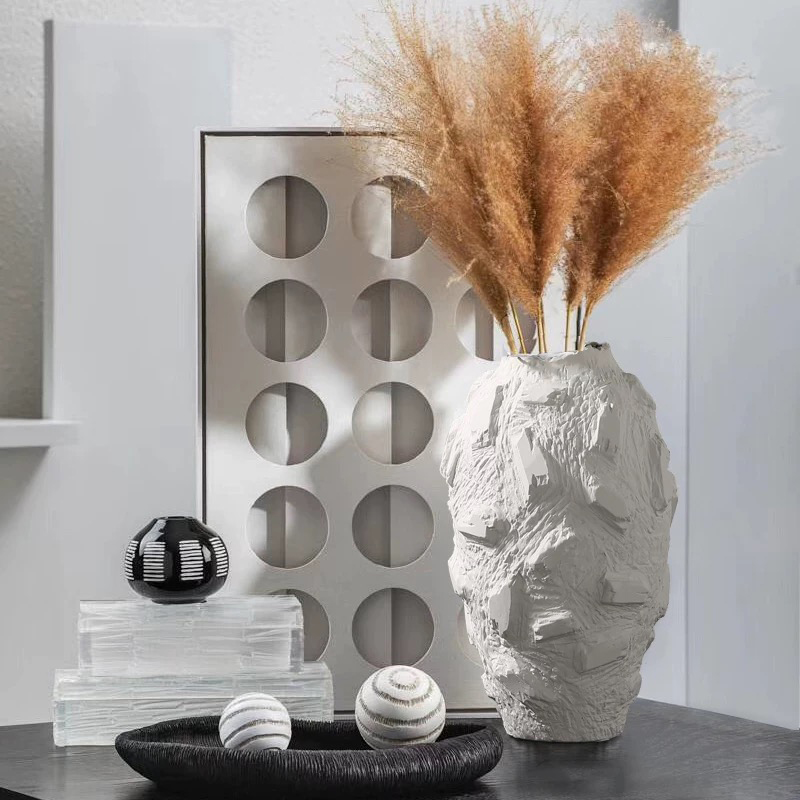
Concrete looks indestructible, and in most ways it is — but the sealant on the surface is doing quiet work every day, and a little care keeps it doing that work for years instead of months.
Every Pour & Bloom vase leaves the studio with a food-safe sealant already applied, so you don't need to treat or re-coat it before first use. What it does need is the same basic care you'd give any porous, matte-finished object in your home: gentle cleaning, prompt attention to water, and a little patience if the finish ever looks tired.
01Why sealing matters
Concrete is naturally porous, which means an unsealed piece would slowly absorb water, oils, and stains from whatever it holds. The sealant fills those pores at the surface, giving the vase a slightly smoother, more water-resistant finish while keeping the matte texture that makes concrete look like concrete in the first place. It's not a glossy coating — it's designed to be invisible.
02Daily cleaning
A soft, damp cloth and a small amount of mild soap is really all a concrete vase needs. Wipe in the direction of any visible texture or ridges, rinse the cloth, and go over the piece once more with clean water to lift any soap residue. Let it air-dry fully before placing it back on wood furniture, since a still-damp base can leave a ring on some finishes.
"Treated gently, a concrete vase is one of the lowest-maintenance pieces you can own — no polishing, no oiling, no special storage."
03Removing water rings and mineral stains
If you're using tap water for fresh flowers, mineral deposits can sometimes leave a faint pale ring at the waterline. This is normal and not a sign of damage. A soft cloth with a diluted white vinegar solution (about one part vinegar to four parts water) will usually lift it — apply, let sit for a minute, then wipe clean and rinse with plain water.
- Empty and rinse the vase after flowers have finished, rather than letting stagnant water sit for days
- Swap the water every 2–3 days if you're keeping fresh-cut stems long term
- Dry the interior fully before storing a vase you're not using
04Reviving a dulled finish
Over months of handling, a matte concrete surface can pick up a faint sheen or look slightly dusty in low light. This is usually just surface residue rather than actual wear. A gentle wipe with a barely damp microfiber cloth, followed by a fully dry one, will typically restore the original matte look. Avoid rubbing hard in one spot — even, light passes work better than pressure.
05What to avoid
The finish is the one thing on a concrete vase that can actually be damaged by the wrong cleaning approach, so a short list of things to skip is worth keeping in mind.